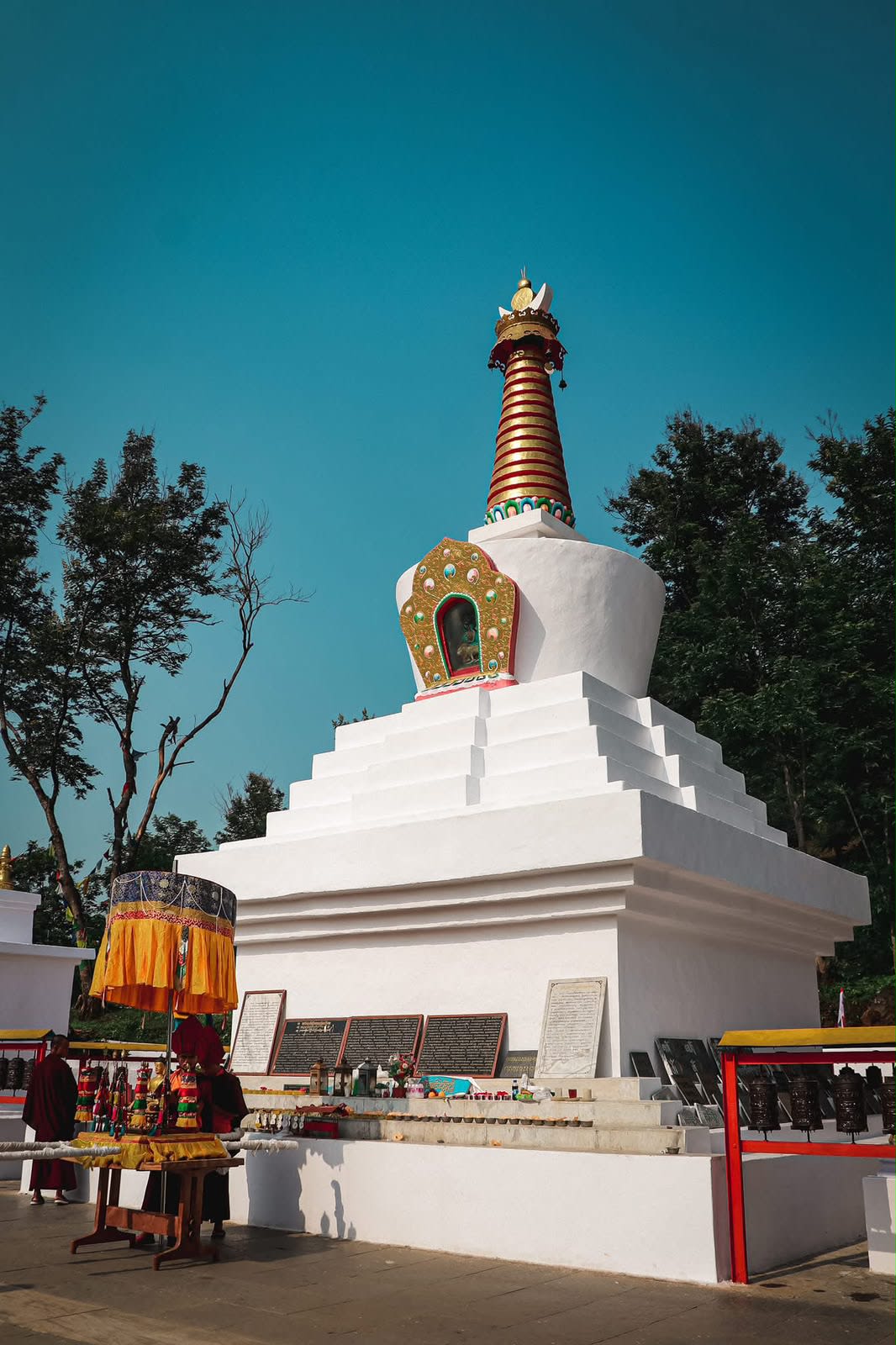
Dundul Chorten
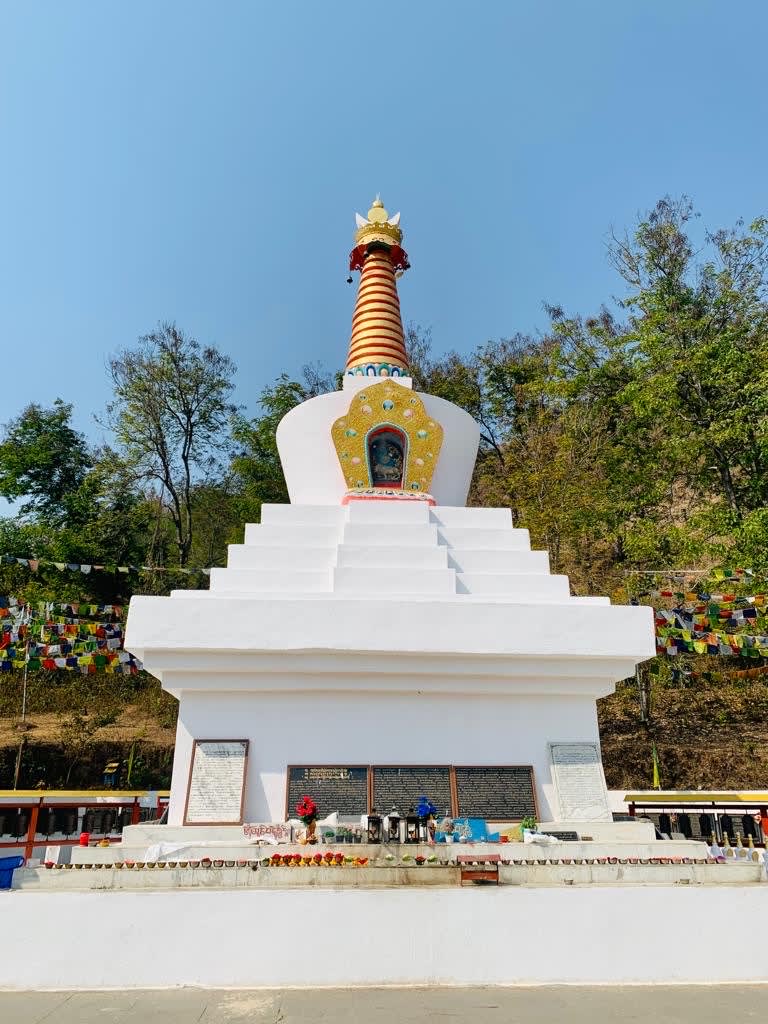
Origins and Construction
On the 4th day of the 6th Tibetan month in 1970, Kyabje Dudjom Rinpoche received a letter from His Holiness the 14th Dalai Lama and the Tibetan Government-in-Exile. On behalf of the Tibetan people, Kyabje Dudjom Rinpoche was requested to build a sacred stupa (chorten) for the benefit of Tibet's religious and temporal affairs and to help pacify the harmful influences associated with Dolgyal (Dorje Shugden).
That same year, Kyabje Rinpoche traveled to Odisha to personally select and finalize the site for the stupa. He chose a vacant area on the far left side of Camp No. 3, situated at the foot of an elephant-shaped hill. After determining the location, he entrusted the construction and completion of the project to Lama Sherab Dorje Rinpoche and Lama Dorje Namgyal Rinpoche.
As part of the sacred preparations, one hundred thousand miniature Dorje Drolö tsatsas were created through the collective efforts of the monks of Dundul Raptenling and local Tibetan residents. The principal Dorje Drolö statue was commissioned in Kalimpong and crafted by a Bhutanese artisan under the direct guidance and supervision of Kyabje Dudjom Rinpoche.
When the statue was completed the following year, Tulku Tsephel traveled to Kalimpong to bring it to Dundul Raptenling. Although Kyabje Dudjom Rinpoche was unable to accompany him, he instructed Tulku Tsephel that the rabney (consecration ceremony) should be performed in Kalimpong and assured them that they should feel as though he were personally present with them at Dundul Raptenling.
The Consecration Miracle
On the fifteenth day of the fourth lunar month, during the sacred month of Saka Dawa, the main Dorje Drolö statue was installed within the Dundul Chorten. Lamas, tulkus, and lay practitioners gathered to perform the consecration ceremony.
At approximately ten or eleven o'clock in the morning, while the assembled lamas and tulkus were conducting the rabney using white rice grains, a remarkable event occurred. Multicolored grains known as levang descended from the sky, which many interpreted as a sign of Kyabje Dudjom Rinpoche's blessings.
Many people collected these blessed grains and preserved them as sacred objects of blessing and good fortune. This event remains one of the most cherished accounts associated with the Dundul Chorten.
A Source of Blessings
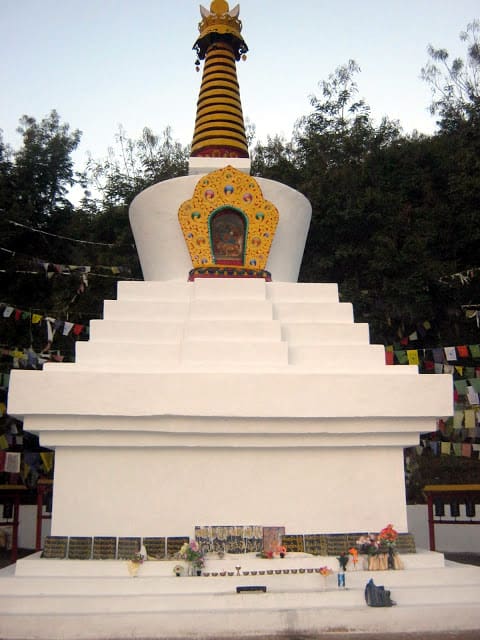
Over the years, many stories have emerged of local residents receiving blessings and benefits through their connection with the stupa. As a place of refuge and devotion, the Dundul Chorten has long been regarded as a source of healing and protection.
There have been numerous accounts of people suffering from illness who made offerings by whitewashing the stupa and subsequently experienced remarkable recoveries. Such stories have strengthened the faith of devotees and deepened the reputation of the stupa as a place of extraordinary blessing.
Great Masters Who Blessed These Grounds
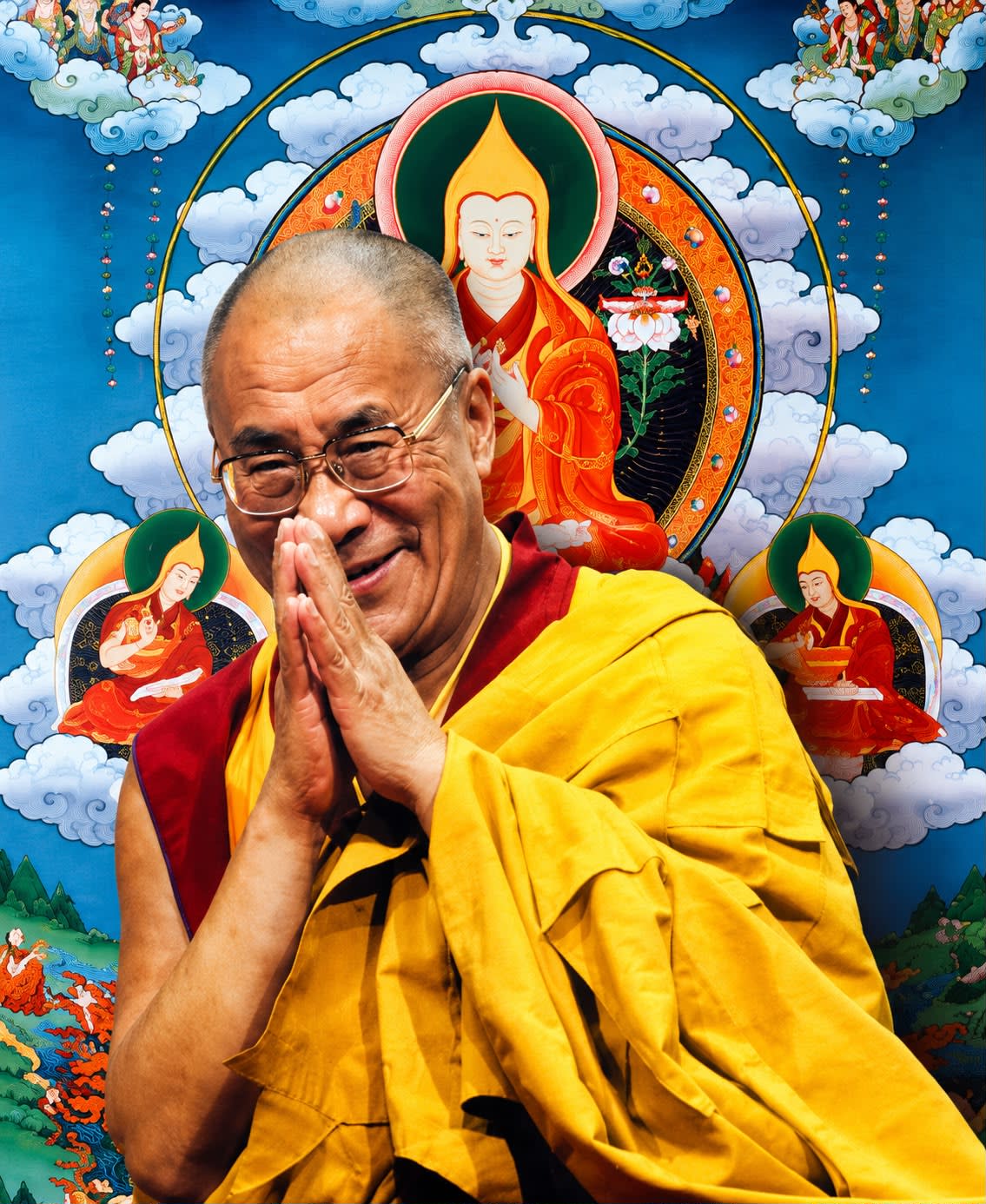
H.H. the 14th Dalai Lama
Supreme Head of Tibetan Buddhism
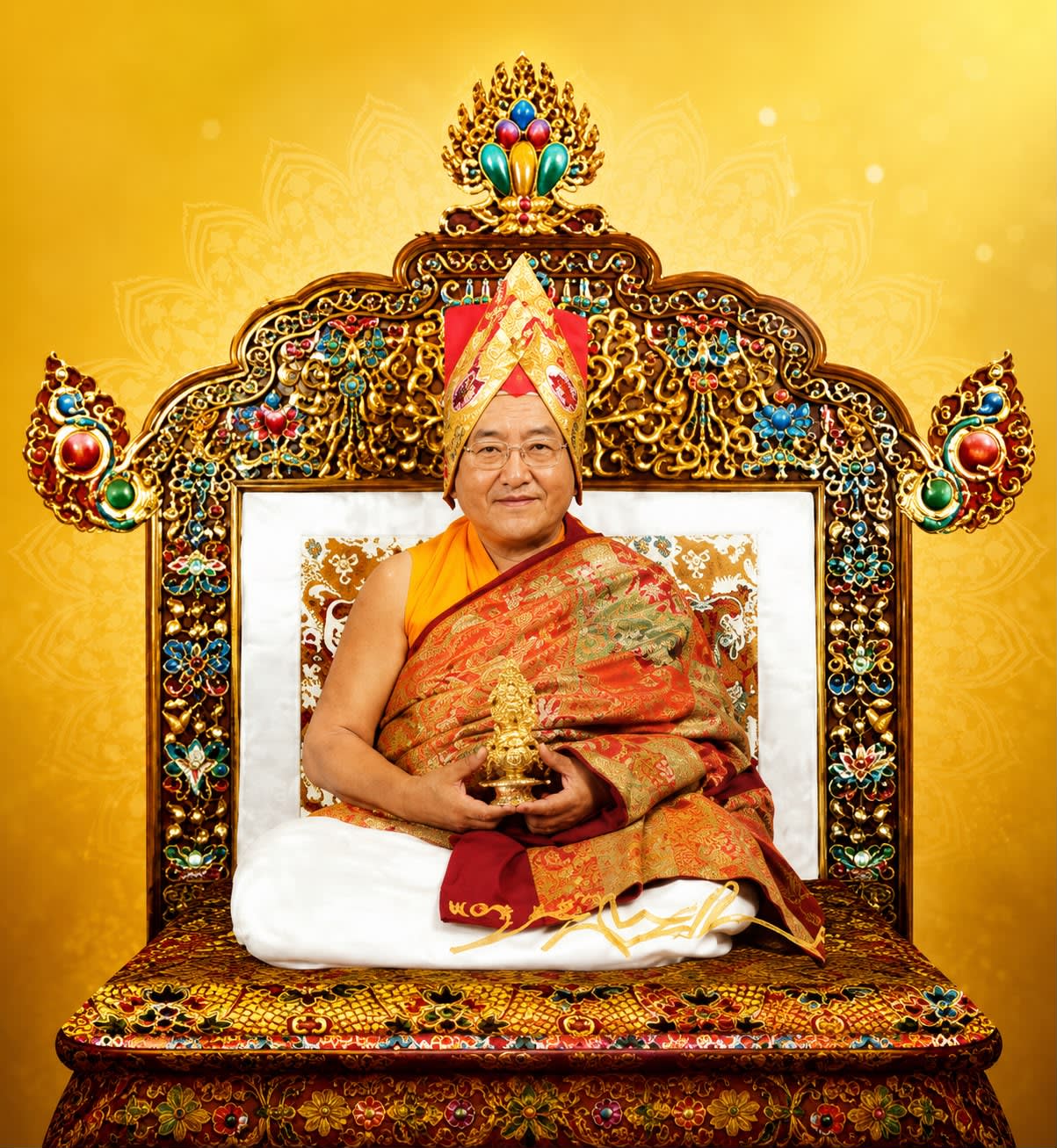
Sakya Gonma Rinpoche
Supreme Lineage Holder of the Sakya Lineage
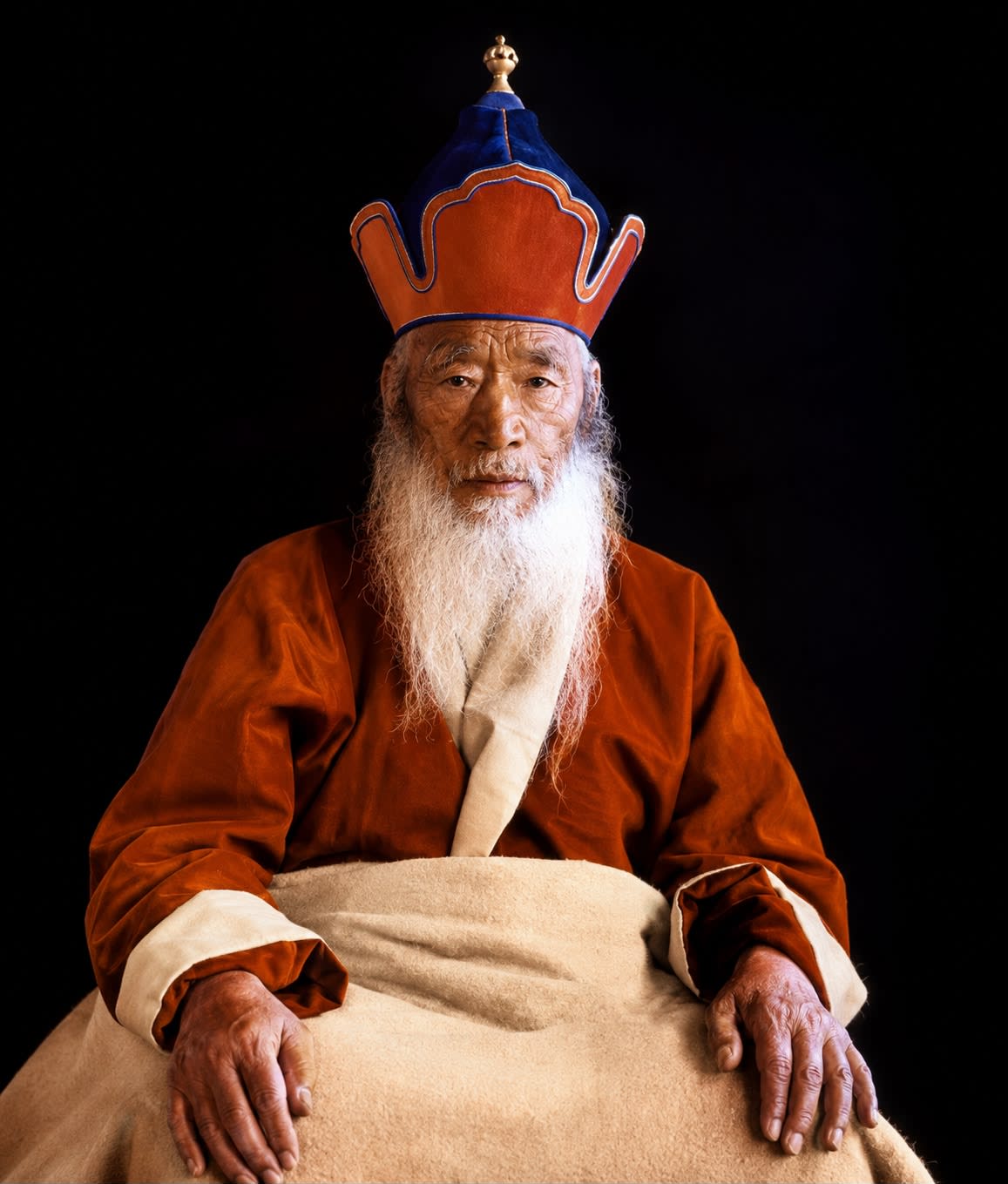
Kyabje Chatral Rinpoche
Dzogchen Master & Ascetic
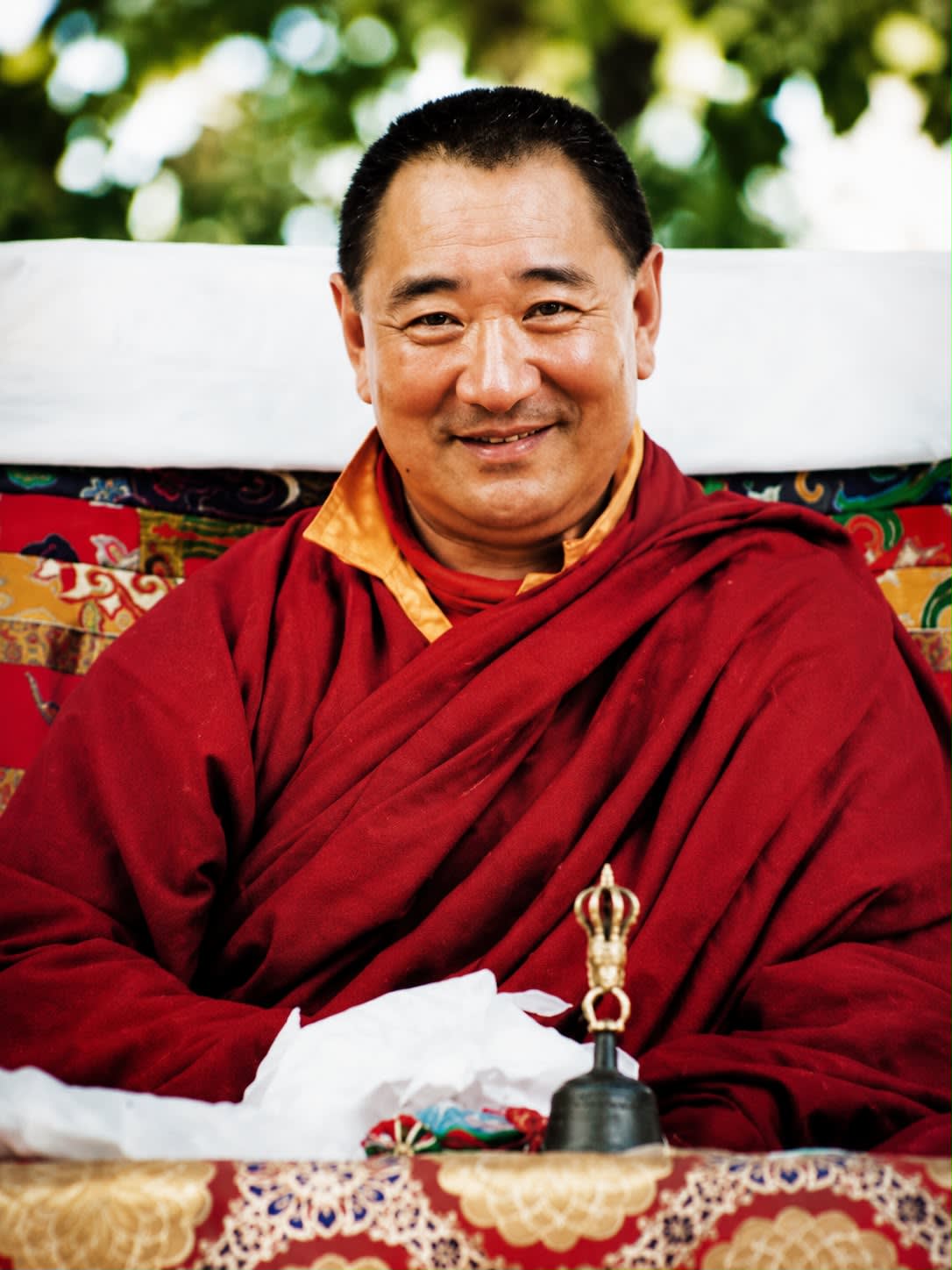
Tarthang Rinpoche
Founder of the Nyingma Institute
Many eminent Buddhist masters have visited the Dundul Chorten to offer prayers and pay their respects. His Holiness Dudjom Jigdral Yeshe Dorje Rinpoche himself wrote about the immense benefits and blessings associated with the Dundul Chorten. Dungse Thinley Norbu Rinpoche also composed writings praising its significance and spiritual power.
Annual Ceremonies
Each year, Dundul Raptenling Monastery conducts the Drolö Tsogkhor at the Dundul Chorten on the 4th day of the 6th Tibetan month, coinciding with Chökhor Düchen, the anniversary commemorating Shakyamuni Buddha's first turning of the Wheel of Dharma.
On the fifteenth day of the month of Vaisakha (Saka Dawa), devotees gather to make offerings of food and beverages to all participants and visitors.
All are welcome to join these ceremonies in person or through sponsored prayers.
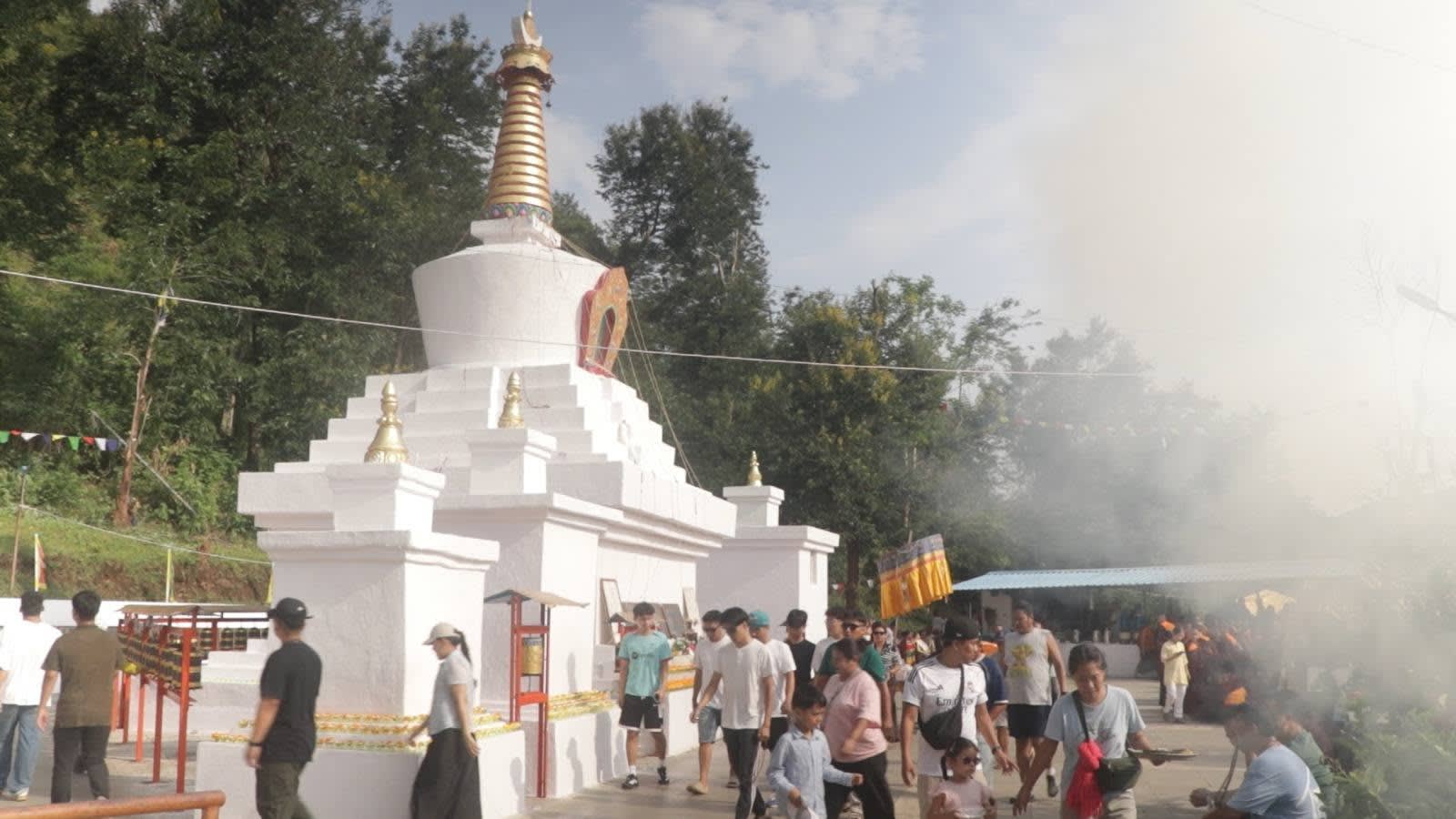
Community Support
The continued care and maintenance of the Dundul Chorten has also been supported by members of the local community. Tsultrim-la of Camp No. 3 renovated the inner circumambulation path and installed prayer wheels (mani wheels), while Palmo-la of Camp No. 3 provided lighting to support practitioners performing kora during the early morning and evening hours.
Today, the Dundul Chorten remains one of the most revered sacred monuments of Dundul Raptenling Monastery—a place of pilgrimage, prayer, blessing, and unwavering devotion to Guru Padmasambhava in the form of Dorje Drolö.